Wondering how to buy your first home in Little Rock without feeling overwhelmed? You’re not alone. Between neighborhoods, loan options, and inspections, there’s a lot to sort through when you’re just getting started. This guide breaks it down step by step so you can move from browsing to making a confident offer.
You’ll learn how to pick the right neighborhood, what homes and prices to expect, how first-time buyer loans and assistance work, and the exact steps from preapproval to closing. Let’s dive in.
Choose your Little Rock neighborhood
Picking the right area starts with your daily life. Think about commute time, access to parks and restaurants, housing style, and budget. Little Rock traffic is typically moderate, and many commutes run about 15 to 30 minutes depending on the time of day.
Central neighborhoods and walkability
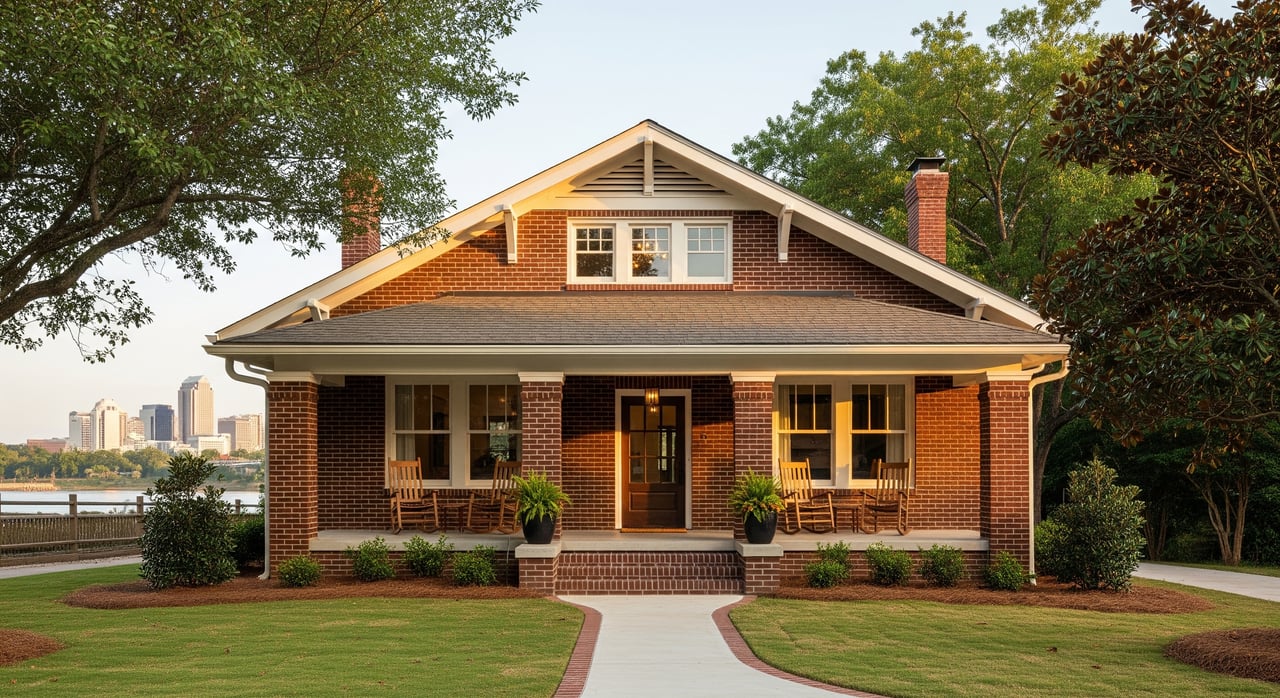
If you want character and convenience, look at Hillcrest, Pulaski Heights, Midtown, SoMa, and Downtown near the River Market. You’ll find historic bungalows, Craftsman and Tudor homes, plus condos and lofts in more urban pockets. Expect smaller yards and older systems that may need updates, along with vibrant dining and entertainment.
West Little Rock and Chenal Valley
If you prefer newer homes and planned communities, West Little Rock and Chenal Valley offer larger lots and newer construction. These areas often come with higher price points and suburban amenities. Many buyers choose this side of town for lower-maintenance properties and proximity to retail and recreation.
Across the river and nearby cities
North Little Rock’s Argenta district offers a revitalized arts scene with improving walkability and restaurant options. Nearby Pulaski County cities like Sherwood, Maumelle, and Jacksonville often provide more affordable entry points while keeping a reasonable drive to Little Rock employers. Commute times vary, so test your route during typical drive times.
Transitional areas and value potential
The Heights, Cammack Village, and parts of the Plaza District mix older homes with ongoing updates. These areas can offer appreciation potential, but property condition and pricing vary street by street. Strong comparable analysis with your agent is helpful here.
Quick neighborhood checklist
- Commute: Drive your route during rush and off-peak times.
- Transit: Review Rock Region METRO bus options if you plan to use public transit.
- Amenities: Map parks like Riverfront Park and Allsopp Park, groceries, and healthcare hubs such as UAMS.
- Safety: Review crime data and walk the area at different times of day.
- Schools: Confirm boundaries with the Little Rock School District and Pulaski County Special School District, or review private options.
What homes you’ll see
Common styles in Little Rock
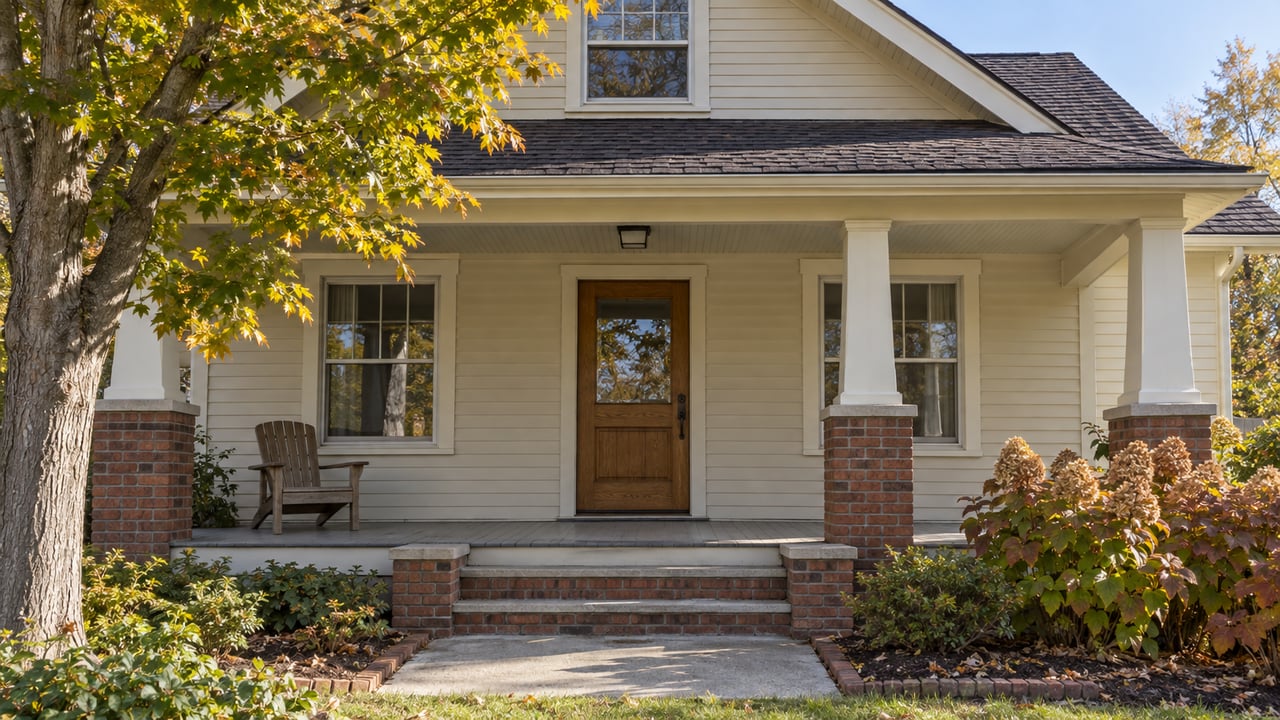
You’ll see Craftsman bungalows, Tudors, and brick cottages in central neighborhoods like Hillcrest and Pulaski Heights. Mid-century ranch homes appear across many established areas. West Little Rock and Chenal Valley feature newer single-family homes in planned communities, while Downtown and SoMa include condos and loft-style units.
Price expectations and ranges
Little Rock’s median prices have historically trended below the national median, with variation by neighborhood. Many first-time buyer opportunities exist in central older neighborhoods in the low to mid $100,000s up to the $300,000s depending on condition and size. West Little Rock and Chenal Valley typically run higher, often from the $300,000s to $600,000 and above. Nearby cities like Sherwood, Maumelle, and Jacksonville often offer more affordable ranges from the low to mid $100,000s up to the $300,000s.
Condition and valuation tips
Older homes may need updates to roofs, HVAC, plumbing, or electrical systems. If a home is in a historic district, design review rules may apply. Lenders may require certain repairs for safety or habitability, and appraisals in mixed-condition areas can vary. A thorough inspection and a careful look at comparable sales help you set realistic expectations.
Loans and assistance for first-time buyers
Popular loan options
- Conventional loans: Some first-time buyer options start around 3 percent down, with 20 percent down avoiding private mortgage insurance. Credit and debt-to-income requirements apply.
- FHA loans: Often 3.5 percent down for qualified borrowers, with mortgage insurance.
- VA loans: 0 percent down for eligible active-duty service members and veterans. This can be a strong option in the region given the military presence near Little Rock Air Force Base.
- USDA loans: 0 percent down for eligible properties outside core city limits. Check eligibility by address.
Arkansas assistance programs
The Arkansas Development Finance Authority offers mortgage products and down payment or closing cost assistance for qualifying first-time and eligible buyers. Program terms change over time, so confirm current income and purchase price limits with a lender. HUD-approved housing counseling agencies provide buyer education, which some assistance programs require.
What to budget
- Down payment: 0 to 20 percent or more, depending on the loan.
- Closing costs: Plan for roughly 2 to 5 percent of the purchase price for lender fees, title, and prepaids. Seller concessions may help, but plan conservatively.
- Reserves: Some loans require 1 to 3 months of mortgage payments in the bank.
- Inspection and appraisal: Expect common ranges for a home inspection and an appraisal.
- Ongoing costs: Property taxes, insurance, HOA fees if applicable, utilities, and maintenance. If the home is in a Special Flood Hazard Area, flood insurance may be required.
Mortgage rates change with market conditions. A preapproval is not a rate lock, so talk with your lender about timing and options.
Your step-by-step roadmap
Pre-browsing
- Define must-haves, nice-to-haves, and deal-breakers. Include bedrooms, commute time, yard size, and parking.
- Estimate a monthly payment using a calculator that includes taxes, insurance, and HOA fees if applicable.
Step 1: Get finances in order
- Pull your credit report and fix any errors.
- Save for down payment, closing costs, and potential repairs.
- Speak with two or three local lenders to compare terms and fees, then get a formal preapproval letter. Ask about ADFA, FHA, VA, and USDA options.
Step 2: Choose your buyer’s agent
- Pick an agent with strong Little Rock neighborhood knowledge and experience with first-time buyer programs.
- Your agent sets up searches, schedules tours, reviews comps, and guides negotiation and paperwork.
Step 3: House hunting and diligence
- Tour homes at different times of day to gauge traffic and noise.
- Test your commute. Note grocery stores, transit stops, parks, and clinics.
- For older homes, consider a contractor walk-through or pre-offer inspection focused on major systems.
- Verify HOA rules and fees, property taxes, and flood zone status.
Step 4: Make a smart offer
- Use your agent’s comp analysis to set price and terms.
- Include contingencies that fit your risk tolerance, such as inspection, financing, and appraisal.
- In more competitive spots, consider strategies like larger earnest money or flexible timing. Balance appeal with protection.
Step 5: Inspections, appraisal, and closing
- Schedule a general home inspection. You may request seller repairs, a credit, or a price adjustment.
- If the appraisal comes in low, prepare to renegotiate or bring extra funds.
- Complete underwriting, review your Closing Disclosure early, and bring a cashier’s check or wire for closing funds.
Post-closing
- Set up utilities, change your address, and plan routine maintenance.
- Build an emergency fund for repairs. A steady maintenance plan protects your investment.
Local insights that matter
- Flood risk: Review FEMA maps to understand flood zones. Lenders require flood insurance for homes in designated high-risk areas with federally backed loans.
- Taxes: Pulaski County property taxes vary by municipality and millage rates. Confirm the current bill and any exemptions with the county.
- Historic considerations: If you buy in a historic district, check design guidelines before planning exterior changes.
- Appraisal nuance: In neighborhoods with a mix of original and renovated homes, values can vary block by block. A close look at recent comps helps you avoid surprises.
Ready to take the first step?
If you want a clear plan, a calm guide, and local insight you can trust, we’re here to help. Reach out to schedule a no-pressure consult and start your first home purchase with confidence. Partner with Dunivan Real Estate for personalized guidance backed by local expertise.
FAQs
How much do I need for a down payment in Little Rock?
- Depending on the loan, you could put 0 percent down with VA or USDA if eligible, about 3.5 percent with FHA, or as low as 3 percent with some conventional first-time buyer options.
Which Little Rock areas are more affordable for first-time buyers?
- Many buyers find entry points in Sherwood, Maumelle, parts of North Little Rock, and Jacksonville, as well as smaller or fixer homes in older central neighborhoods.
Do I need flood insurance when buying in Pulaski County?
- You need it if the home is in a Special Flood Hazard Area and you have a federally backed mortgage, and some lenders may recommend it even outside these zones.
What inspections should I order on an older home?
- A general home inspection plus pest or termite, with HVAC, roof, and sewer line checks as needed based on age and condition.
How competitive is Little Rock for first-time buyers right now?
- It varies by neighborhood and market cycle, but strong preapproval, clean terms, and flexible timing often help your offer stand out.
What closing costs should I expect as a buyer?
- Plan for roughly 2 to 5 percent of the purchase price for lender fees, title costs, and prepaids, plus inspection and appraisal fees.