Outgrowing your starter home and wondering if your next move should be Bryant or Little Rock? You want more space, a sensible commute, and a lifestyle that fits how you live today. This guide breaks down what you get in each market so you can compare home size, price, commute time, and daily conveniences with confidence. By the end, you’ll have a clear framework to choose your best fit and a simple plan to test-drive both options. Let’s dive in.
At a glance: prices and pace
- Bryant snapshot: Recent ACS estimates show a median owner-occupied value around $223k and median household income in the low-to-mid $80k range. You can explore the city’s demographics on the Census Reporter profile for Bryant for context on housing and commutes.
- Little Rock snapshot: A single citywide number can be misleading because prices vary widely by neighborhood. Vendor snapshots illustrate that range. Zillow ZHVI placed Little Rock’s typical value near $210–212k in late 2025, while Realtor.com’s citywide median listing sat closer to $274k in Dec 2025. Treat these as directional and compare by neighborhood.
- County trend to note: Redfin’s monthly snapshot showed Saline County’s median sale price near $300k in Jan 2026, often above some Pulaski County averages. Use current, neighborhood-level data when you shop.
Data notes: ACS metrics reflect multi-year survey windows and give helpful context. Zillow ZHVI is an index of typical values, while Realtor.com and MLS medians reflect active listings at a moment in time. Always check the vendor and date.
Explore Bryant’s ACS profile for housing and income context.
What you get for your money
Bryant: newer space and yards
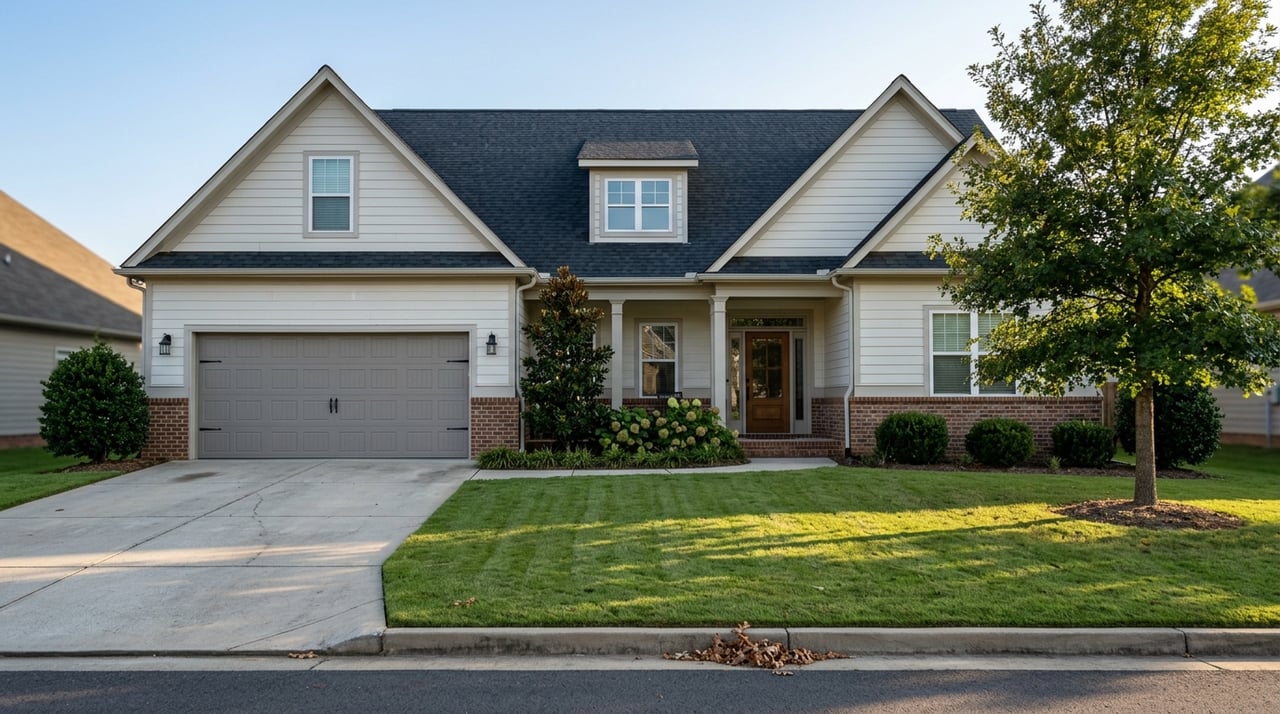
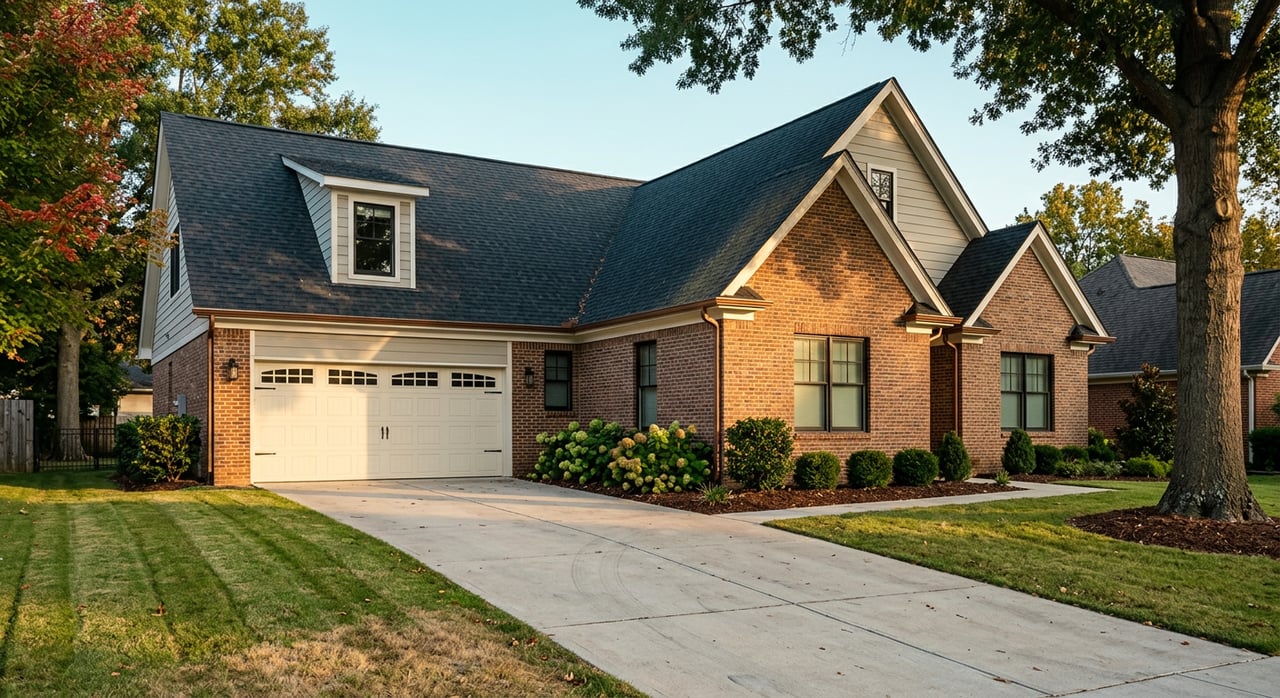
Bryant’s inventory leans suburban and newer. Many homes were built since the 1990s, with plenty of recent construction. Typical move-up options often run 3–4+ bedrooms and about 1,600–2,800+ square feet, with two-car garages and quarter- to half-acre lots. Layouts tend to be open-plan with modern systems that reduce near-term maintenance.
Zillow’s city index put Bryant’s typical value around $248–249k in late 2025 to early 2026. Because Bryant skews newer, listing medians often trend higher than the index. When you tour, compare price per square foot and lot size across a few neighborhoods to see how far your budget stretches.
Retail and services have steadily expanded along the I-30 and Highway 5 corridors, which adds convenience for daily errands. The Bryant Chamber highlights ongoing commercial growth and infrastructure improvements that support access and future amenities. You can review those local investments on the Chamber’s economic development page.
See local growth and infrastructure notes from the Bryant Chamber.
Little Rock: choices by neighborhood
Little Rock is a full-spectrum market. You can find historic districts such as the Quapaw Quarter and nearby in-town areas with early 20th-century homes, mid-century neighborhoods with established trees, and newer construction in west Little Rock that offers modern floor plans at higher price points. Each area trades different benefits: character and walkability in historic cores, shorter commutes in central locations, or newer builds and larger homes on the west side.
Older homes can bring inspection and maintenance considerations like roof age, plumbing, electrical, and potential historic district guidelines. In return, you often get distinctive architecture and closer access to dining and culture. Learn more about the city’s historic fabric through the Quapaw Quarter Association.
Learn about Little Rock’s historic neighborhoods and preservation.
Citywide medians hide big spreads by ZIP. When you shop, compare neighborhood medians and price per square foot for your exact criteria instead of relying on the city average.
Commute reality check
Bryant sits along I-30 about 20–25 miles from central Little Rock. Typical drives are commonly reported in the ~23–35 minute range under normal traffic, though peak times can add minutes. Bryant residents’ mean travel time to work trends in the low 20-minute range in ACS data, which aligns with a highway-based commute.
- Test the route: On touring days, run live directions to your workplace at morning peak, and again during school drop-off windows.
- Consider daily patterns: Add a grocery stop or activity run to see how your evening routine feels from each home.
- Transit and walkability: Central Little Rock has municipal transit and several walkable neighborhoods, while Bryant and nearby suburbs are mostly car-dependent.
Check the typical Bryant to Little Rock driving time.
Daily life: shopping, healthcare, recreation
Bryant conveniences
Everyday shopping is easy in Bryant with national retailers, grocery anchors, and services clustered along I-30 and Highway 5. The Bryant Chamber and city materials point to continued retail growth and infrastructure work that support suburban convenience. For healthcare, Saline Health System offers local services through Saline Memorial and nearby clinics.
See a recent highlight from Saline Health System.
Little Rock amenities
If you value urban amenities, Little Rock’s River Market District, museums, and dining scenes offer variety within a short drive of many in-town neighborhoods. Outdoor fans can access the Arkansas River Trail and the Big Dam Bridge for biking and running.
Explore the Arkansas River Trail and regional connections.
Little Rock is also the region’s medical hub. Major employers and specialty care centers, including UAMS, can shorten commute times for healthcare professionals and support quick access to advanced care.
Learn about UAMS and its regional role.
Decision checklist for move-up buyers
Use this quick list to sort needs versus nice-to-haves:
- Space needs: target finished square footage and a minimum bed/bath count. Many move-up buyers aim for 1,800–2,800 sqft with 3–4 bedrooms.
- Lot and outdoor goals: yard size for play, gardening, or a future pool. Decide whether you prefer a larger suburban lot or a smaller urban yard with less maintenance.
- Commute budget: set a maximum morning drive time. Test real-world routes at peak hours and during school drop-off.
- Lifestyle tradeoffs: prioritize either walkability to restaurants and culture or newer construction and larger yards.
- Home age and maintenance: estimate immediate repairs and updates if you consider older homes. Plan for inspections and quotes from a contractor where needed.
- Schools and attendance zones: confirm current attendance boundaries with the district. Independent sources, such as GreatSchools, can provide public data points, but always verify with the district.
- Market and resale: review recent neighborhood trends, inventory levels, HOA rules, and nearby new construction that could affect future values.
See a public profile for Bryant High School on GreatSchools.
Sample buyer scenarios
- Commuter with school-age kids: If your priority is a larger yard and newer systems with a commute target under 40 minutes, Bryant often aligns with those goals. Verify school attendance zones and test the morning route to work and drop-off.
- Dual-career professionals, one downtown job: If you want a shorter commute with established restaurants and weekend walkability, consider Little Rock neighborhoods like Hillcrest, Midtown, River Market, or parts of west Little Rock based on budget.
- New construction and low maintenance: If builder warranties and modern layouts top your list, compare new or recent builds in Bryant with west Little Rock options at similar price points.
How we help you compare
A clear side-by-side makes your decision simple. Here is a process that works:
- Paired tours: We select one Bryant home and one Little Rock home that match your criteria for beds, baths, square footage, and lot size. You compare tradeoffs in person.
- Commute testing: For each home, we run three live routes the day you tour. Morning commute to your workplace, school drop-off loop, and an evening errands run.
- Total cost picture: We outline likely near-term repairs and updates, plus differences you might see in utilities or insurance between an older in-town home and a newer suburban home.
- School and zoning checks: If schools are a factor, we review district resources and verify current attendance boundaries before you write an offer.
Ready to narrow it down with data and on-the-ground experience? Let’s set up your paired tour plan.
If you want a trusted, educational guide through this choice, reach out to Dunivan Real Estate. We will help you compare neighborhood options, price dynamics, and commutes so you can upgrade with confidence.
FAQs
What are current home prices in Bryant vs Little Rock?
- Vendor snapshots show Bryant’s typical value near $248–249k by Zillow ZHVI in late 2025 to early 2026, Little Rock’s ZHVI near $210–212k, and a Little Rock median listing around $274k per Realtor.com in Dec 2025, with major variation by neighborhood.
How long is the commute from Bryant to downtown Little Rock?
- Driving is commonly reported in the ~23–35 minute range under normal traffic on I-30, with peak periods adding time; you can review a typical route estimate on Travelmath and then test your own commute live.
Which area is better for walkability, Bryant or Little Rock?
- Central Little Rock offers more walkable neighborhoods and access to urban amenities like the River Market and the Arkansas River Trail, while Bryant is mostly car-dependent but provides convenient suburban retail clusters.
How should I compare schools when choosing between Bryant and Little Rock?
- Use district resources to confirm current attendance zones and review public data points from independent sources such as GreatSchools, then weigh commute, home age, and lifestyle factors alongside school logistics.
Where will I find major medical centers and everyday healthcare?
- Little Rock is the regional hub with major employers and specialty care such as UAMS, while Bryant residents have local services through Saline Health System and can drive into Little Rock for additional options.